
The effects of fires on health
Wave of fires in Spain
In recent weeks, many areas of Spain have seen their skies covered in a thick, toxic layer of smoke, the result of fires that have spread, engulfing thousands of hectares of green spaces and surrounding urban areas.
Forest fires
A double danger for your health and the environment
The recipe for disaster: a mixture of smoke and haze
Spain is experiencing the worst wave of wildfires in its history in the midst of a heat wave.
This situation not only makes extinguishing the fire difficult, but also releases harmful particles that remain suspended and can be respirated hundreds of kilometers from the fire.
Furthermore, it has been shown that these particles can persist for quite some time after the fire is extinguished.
The most dangerous are PM2.5, with a diameter less than 2.5 microns, capable of penetrating deep into the lungs and reaching the bloodstream.
These particles irritate the respiratory system, cause inflammation, and aggravate pre-existing conditions.
Although the human body has defense mechanisms, its filtering capacity is limited in the face of prolonged or intense exposure.
However, health effects can appear later, weakening the respiratory system’s defenses, facilitating the entry of viruses and bacteria.
On the other hand, in the medium term, air quality remains poor even when smoke is no longer visible, making it necessary to maintain preventive measures beyond the immediate emergency.
Fires can seriously affect respiratory health.
The first harmful effect falls on the lungs
The air becomes unbreathable for many people, especially those who already suffer from respiratory conditions.
Smoke, composed of gases and particles, can irritate the eyes, throat, and lungs, causing coughing and wheezing.
In addition, patients with asthma or diseases like COPD experience exacerbations that may require urgent medical attention or even hospitalization.
The effects of fires on health
People with pre-existing respiratory illnesses, children, pregnant women, and older adults are especially vulnerable.
Side effects on health
Combustion of different materials
In addition to plant material, synthetic materials present in homes, infrastructure, or street furniture can burn in a fire.
This adds toxic compounds such as dioxins, furans, and heavy metals to the air, which are highly harmful to health.
The mixture of these pollutants turns the smoke into an unstable and harmful chemical cloud.
Breathing that air not only produces immediate symptoms like coughing or shortness of breath, but can have long-term consequences, even years later.
Psychological consequences
Fires can affect not only physical health but also mental health, with consequences such as post-traumatic stress.
Medical recommendations
As long as these episodes continue, pulmonology specialists recommend:
- Avoid outdoor sports early in the morning and late in the evening, as the concentration of particles is higher.
- In addition, it is advisable to ventilate your home early in the morning or at night, as well as to use air purifiers.
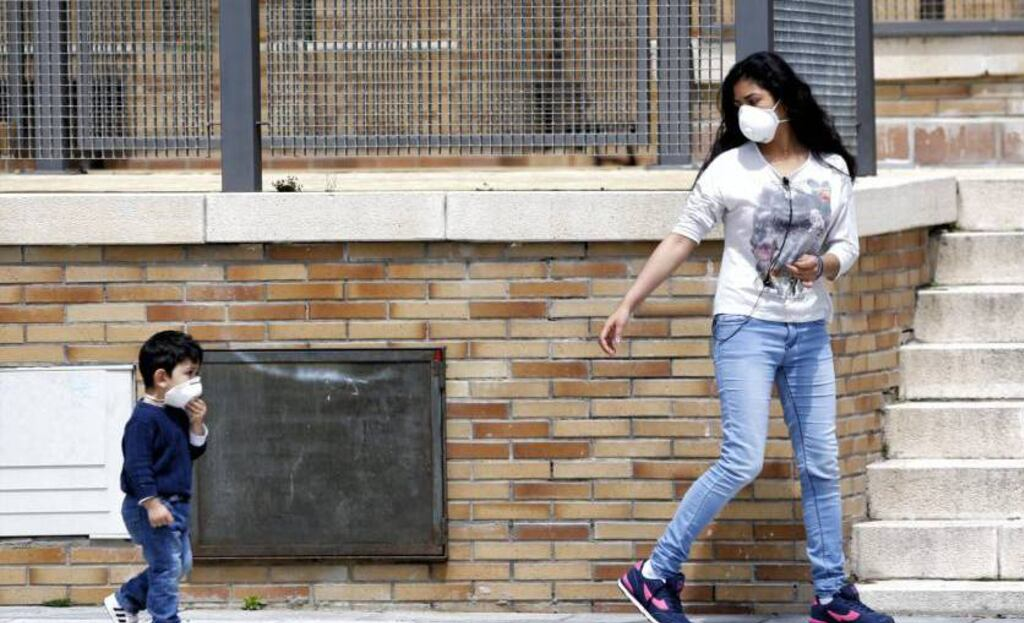
- Furthermore, the use of FFP2 masks is recommended to avoid inhaling polluting particles, especially in exposed areas.
- Finally, if you experience difficulty breathing, a persistent cough, or unusual throat irritation, see your doctor as soon as possible.