
Respiratory allergy
World Allergy Day 2026
World Allergy Day is celebrated on July 4th to educate society about how our immune system reacts to harmless substances.
ALLERGIES
¿WHAT IS IT?
IT IS AN IMMUNE SYSTEM REACTION
TO SUBSTANCES CALLED ALLERGENS
ALLERGIES
They can manifest themselves in different ways
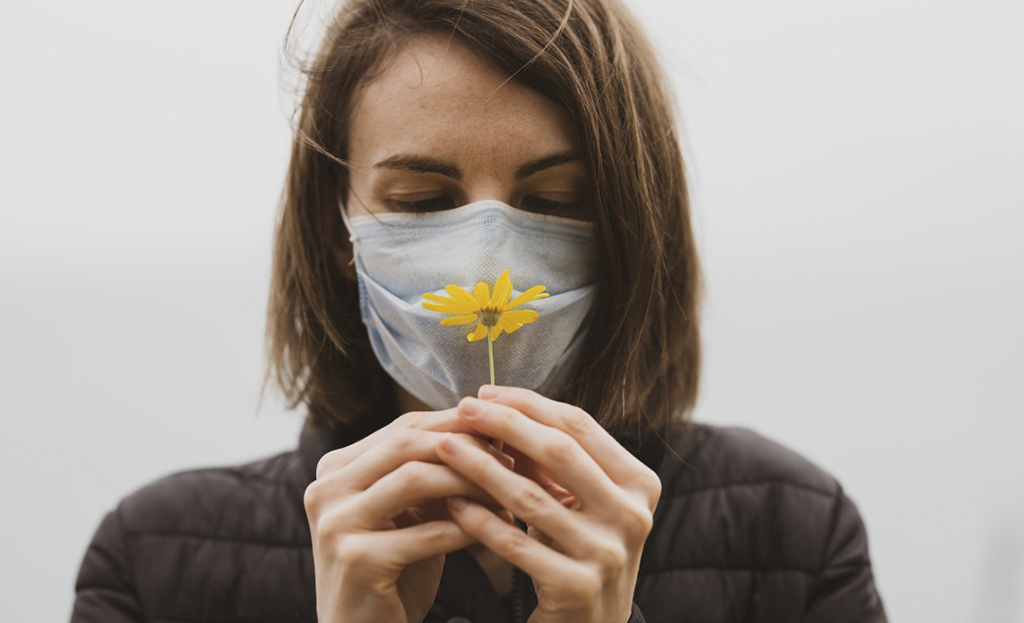
- Respiratory symptoms, such as difficulty breathing, congestion, or sneezing.
- Skin signs, such as hives, redness, or swelling.
- Eye problems, such as itching or conjunctivitis.
- Abdominal discomfort, such as abdominal pain or nausea.
ALLERGY SYMPTOMS
ALLERGENS
In some ways, the symptoms depend largely on the specific allergy you have.
- For example, respiratory symptoms are associated with allergies to pollen, dust, pet dander, or mold.
- However, the effects on the digestive system are more closely linked to food allergies.
- Although these can also manifest on the skin, each person’s experience may vary.
On World Allergy Day, the importance of people being able to recognize these symptoms in order to control them is also highlighted.
Respiratory allergy
Respiratory allergies arise as a result of an abnormal immune response to contact with certain environmental substances that are harmless to most people, causing inflammation of the eyes, nose, throat, or bronchi.
As a reaction, the immune system produces antibodies that release chemicals, such as histamine, which trigger allergic symptoms.
What is respiratory allergy?
Respiratory allergies are a very common chronic disease that can worsen over time, but there is treatment that relieves symptoms.
- This abnormal functioning of the immune system can have a genetic cause.
- Exposure to irritants and environmental pollutants can also be triggers.
- Having a family history of allergies is a risk factor.
It is also one of the main triggers of asthma; in fact, 80% of asthma cases have an allergic origin.
Respiratory allergy, which can manifest itself in the form of rhinitis, conjunctivitis or asthma, is the most common allergy.
What causes these allergic symptoms are dust mites, pollen from trees and plants, humidity fungi, and animal epithelium; although medications and foods can also cause these symptoms.
These allergens are present in the air we breathe and are responsible for the appearance of symptoms in the airways, whether in the form of symptoms in the nose, eyes or bronchi.
TYPES OF ALLERGENS
- The main culprits are seasonal allergens, those present at certain times of the year, such as tree and plant pollen.
- However, we also find perennial allergens, meaning those present year-round, such as dust mites, mold, and pet dander from animals like cats and dogs.
Depending on the affected area in the respiratory tract, this allergy can manifest itself in different ways, such as allergic rhinitis, allergic conjunctivitis, or bronchial asthma.
Symptoms of Respiratory Allergy
Rhinitis
Allergic rhinitis is an inflammation of the nasal mucosa and can occur at any time in life.
Its most common symptoms are:
- Nasal congestion.
- Itchy nose.
- Frequent sneezing.
- Runny nose.
- Mucus and itching in the throat, palate, or ears.
In addition, allergic rhinitis can increase the risk of developing asthma.
Conjunctivitis
LAllergic conjunctivitis is an inflammation of the membrane that lines the eyes and eyelids.
Its symptoms include:
- Red eyes.
- Itching or stinging in the eyes.
- Feeling of grit in the eyes.
- Excessive tearing.
In many cases, allergic rhinitis and conjunctivitis occur together, which is known as allergic rhinoconjunctivitis.
Bronchial Asthma
Bronchial asthma is a disease that inflames the airways and can vary in severity. Its symptoms include:
- Persistent cough.
- Difficulty breathing.
- Wheezing or whistling sounds when breathing.
- Chest tightness.
LAsthma attacks can be triggered by allergens, exercise, respiratory infections, or certain medications. As with rhinitis and conjunctivitis, a thorough diagnosis is essential to identify the cause and treat it appropriately.
TREATMENTS TO ALLEVIATE THE SYMPTOMS
They help minimize their adverse effects
Immunotherapy
treatment that helps modify the allergy
Immunotherapy, also known as allergy shots, is the only treatment capable of changing the course of respiratory allergies.
Its goal is to reduce the patient’s sensitivity to allergens, which improves symptoms and reduces the need for medication.
It also helps prevent allergic rhinitis from progressing to asthma.
It is an individualized treatment that should always be prescribed by an allergist.
Depending on the patient’s symptoms, a series of allergic tests, both skin and respiratory, will be performed and preventive treatment will be decided, with medications or immunotherapy, whichever is most appropriate in each case.
Respiratory allergies can develop complications such as asthma, sinusitis, sleep apnea, or ear or lung infections.
PREVENTION IS KEY
Respiratory allergies can have a significant impact on respiratory health and quality of life.
However, taking steps to prevent them can help minimize their adverse effects.
Here are some recommendations:
- Identify your triggers—animals, foods, plants, or environments that trigger a reaction in your body. Once identified, you can take steps to minimize your exposure to them.
- Maintain good hygiene, both personal and at home, and ventilate the spaces where you live.
- Using air purifiers with HEPA filters can help remove allergens from the air, while high-efficiency filters in heating and air conditioning systems can reduce allergen exposure.
- Avoid outdoor allergens. If you have pollen or mold allergies, try to avoid spending a lot of time outdoors during peak allergen seasons.
- Seek help from a specialist if you notice any abnormalities in your body. They can evaluate your symptoms, perform tests, and recommend appropriate treatment, such as allergy medications or immunotherapy.
On World Allergy Day, July 4, 2025, we send a clear message:
Listen to your body, don’t normalize the symptoms, and get tested if you have any suspicions.
Detecting an allergy early improves your well-being and allows you to act correctly in risky situations.
Sources: Hospital Sant Joan de Deu, Quiron salud