
Quit smoking
World No Tobacco Day 2026
World No Tobacco Day is celebrated on May 31st, highlighting the importance of understanding the real risks of smoking in all its forms.
THIS YEAR’S THEME
PROPOSED BY THE WHO
LET’S UNMASK ITS ATTRACTION
Let’s fight tobacco and nicotine addiction
MUNICIPALITIES OF SPAIN
They have launched various initiatives to raise public awareness.

Among these, the prevention of tobacco and electronic vaping device use stands out, thereby promoting healthy habits.
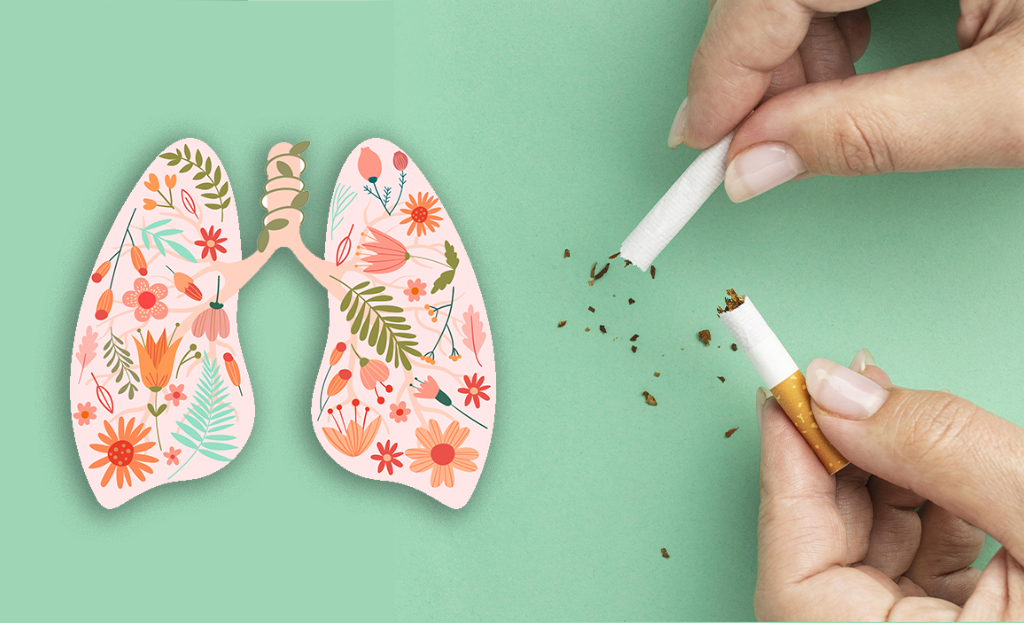
Quitting smoking is very beneficial; in fact, the effects are almost immediate: physical and mental health improve significantly in the first few weeks.
PROFESSIONAL HELP IN HEALTH CENTERS
QUIT SMOKING
Healthcare professionals are very aware of the initial difficulty involved in making that decision, so primary care health centers have mechanisms in place to help people quit smoking.
On the other hand, they have multiple support mechanisms available in primary care centers.
The goal is to create a society informed about the risks; for this reason, professionals are increasingly involved in directing their efforts towards prevention and education.
The future is in our hands
Tobacco use causes more than seven million deaths worldwide each year and is one of the greatest preventable health risks, but the lack of concrete figures hinders the full impact of this message.
However, we can state unequivocally that tobacco control and prevention saves lives.
Increasingly strict policies
Each year, stricter policies seem to increase the likelihood that people will try to quit smoking; warnings, higher taxes, and smoking bans in public spaces are the most common measures.
But ultimately, success depends on individual factors.
Quitting smoking is a personal decision
While it’s not solely a matter of willpower, the social environment, living conditions, and the political framework of one’s country of origin also play a significant role.
If the person trying to quit smoking is surrounded by smokers, their chances of success are reduced, as is their level of nicotine dependence.
Nicotine dependence and the habits associated with smoking make quitting much more than just a matter of willpower.
Experts explain why withdrawal occurs, which treatments are most effective, and the strategies that increase the likelihood of quitting smoking for good.
QUITTING SMOKING IS A CHALLENGE
Quitting smoking is one of the most difficult challenges to face.
Quit Smoking
The sooner you do it, the better for you.
It’s not just about quitting the habit, but about confronting a physical and psychological addiction that alters brain function and becomes ingrained in daily routines. For this reason, relapses are common, and few manage to maintain their success.
Proposals to facilitate detoxification
Motivation is key to starting a change: arguments such as “health care”, “saving” and “independence” from addiction are the most common.
Individual support for smokers, both from professionals and family members; as well as undertaking joint challenges with friends and family; spouses or partners, who are also smokers.
Expert recommendations
They point out that quitting smoking cold turkey isn’t always the most effective strategy.
Medical evidence shows that the chances of success increase when the process includes professional support and treatment to manage withdrawal.
Why is quitting smoking so difficult?
Smoking is not solely dependent on chemical addiction.
Smoking also becomes associated with specific times of day: drinking coffee, driving, spending time with friends, or dealing with stressful situations.
That’s why, even after overcoming physical withdrawal, certain triggers can reignite the urge to smoke.
This combination of dependence and learned habits explains why relapses are frequent.
What happens in the body when a person stops smoking?
The difficulty in quitting smoking begins in the brain.
Nicotine produces chemical changes that generate a momentary sensation of pleasure and relaxation; but over time, the body develops a dependence and needs to consume more to obtain the same effect.
When a person quits smoking, the body reacts to the absence of nicotine.
This reaction is known as withdrawal syndrome and usually appears a few hours after the last cigarette.
The symptoms reach their peak between the second and third day, although they tend to gradually decrease in the following weeks.
Among the most frequent complaints are:
- Intense craving to smoke
- Anxiety and irritability
- Difficulty sleeping
- Trouble concentrating
- Increased appetite
Among the myths surrounding quitting smoking is the belief that smoking relieves stress, when in reality it only temporarily reduces withdrawal symptoms caused by nicotine dependence.
What treatments help people quit smoking?
Experts recommend a comprehensive approach that combines medical support and behavioral changes.
Among the most commonly used alternatives are nicotine replacement therapies, such as patches, gum, or lozenges, as well as specific medications that help reduce anxiety and the urge to smoke.
PSYCHOLOGICAL AND BEHAVIORAL SUPPORT PLAYS A KEY ROLE
Identifying the moments that trigger cravings, modifying routines, and creating new stress management strategies can make all the difference in the process.
Staying physically active, seeking family support, and avoiding environments associated with smoking also help reduce the risk of relapse.
The benefits of quitting smoking start quickly
The benefits of quitting smoking begin to be noticeable from the first few weeks.
- Improves breathing, increases energy
- Reduces the risk of cardiovascular and pulmonary diseases.
Tobacco use is linked to serious conditions such as Chronic Obstructive Pulmonary Disease (COPD), diabetes, heart attacks, and various types of cancer.
What increases the chances of success
There is no magic formula for quitting smoking, but there are factors that increase the chances of success:
- Prepare yourself mentally.
- Understand that abstinence is temporary.
- And seek professional help.
More than a lack of willpower, quitting smoking involves breaking a dependency built up over years.
And while the process can be difficult, the health benefits are endless.
Resources: consalud